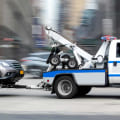
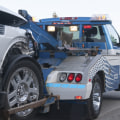
A vehicle can become disabled for many reasons, including a dead battery, flat tire, engine failure, overheating, electrical problems, or damage caused by an accident. When a vehicle cannot be driven safely, towing services provide an important way to move it from the roadside to a repair facility or another secure location. Attempting to continue driving a vehicle with serious mechanical problems can increase damage and may create additional safety risks. Professional towing helps transport the vehicle without requiring the owner to operate it in an unsafe condition. Once the immediate problem has been handled, however, proper follow-up care is just as important as the tow itself.
Choose the Appropriate Towing Method
Different vehicles and mechanical problems may require different towing methods. Flatbed towing is often preferred for vehicles with significant damage, all-wheel-drive systems, low ground clearance, or other conditions that make traditional towing unsuitable. Wheel-lift towing may be appropriate in other situations. Drivers should provide the towing company with accurate information about the vehicle's make, model, condition, and location so the correct equipment can be used. Following manufacturer recommendations can also help reduce the risk of drivetrain or body damage during transportation.
Arrange a Thorough Mechanical Inspection
After a disabled vehicle reaches a repair facility, a professional inspection should determine why the breakdown occurred. Replacing only the most obvious failed component may not address the underlying cause. For example, a dead battery could be related to the battery itself, an alternator problem, or another electrical issue. Overheating could involve coolant leaks, radiator problems, or a malfunctioning cooling system component. A thorough diagnosis helps identify related problems and allows the owner to make informed decisions about necessary repairs.
Check for Damage After the Tow
Drivers should inspect their vehicles after towing, particularly if the vehicle was already damaged before being transported. Look at bumpers, wheels, tires, body panels, mirrors, and lower exterior areas for anything unusual. Taking photographs before and after towing can provide useful documentation when the circumstances allow. If new damage is noticed, report it promptly to the towing provider. Drivers should also keep towing receipts, repair invoices, and other documentation in case they are needed for insurance or roadside assistance claims.
Clean Away Roadside Dirt and Residue
Disabled vehicles may spend time on road shoulders, repair lots, or other areas where they collect additional dirt, dust, mud, oil residue, or road grime. Once mechanical repairs have been completed and the vehicle is safe to wash, cleaning the exterior can be a useful part of follow-up care. A routine visit to Drew's Car Wash can help remove ordinary road residue and restore a cleaner appearance after an inconvenient breakdown or towing experience. Drivers should confirm with the repair technician before washing if body repairs, adhesives, fresh paint, or recently installed exterior parts require special care.
Inspect Tires, Wheels, and Alignment
Breakdowns caused by potholes, curb strikes, tire failures, or collisions may affect more than one component. After towing, drivers should check tire pressure, tread condition, wheels, suspension, and alignment if the incident involved an impact. A vehicle that pulls to one side, vibrates, or develops unusual tire wear may need additional inspection. Addressing these problems quickly can improve handling and prevent uneven wear from becoming more severe.
Pay Attention to Warning Signs After Repairs
Even after a vehicle has been repaired, drivers should remain alert for warning lights, unusual sounds, leaks, vibrations, or changes in performance. If the original symptoms return, contact the repair facility rather than continuing to drive until the condition becomes worse. Keeping maintenance records can also help identify patterns and make future diagnosis easier.
Making Follow-Up Care Part of the Recovery Process
Towing solves the immediate problem of moving a disabled vehicle, but it should be viewed as the beginning of the recovery process rather than the end. Mechanical inspection, proper repairs, exterior checks, tire evaluation, cleaning, and continued observation all contribute to returning the vehicle to dependable condition. By following through with these steps, drivers can address the cause of the breakdown, protect the vehicle from additional damage, and reduce the likelihood of facing another unexpected roadside problem.