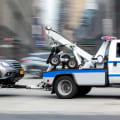
Towing services play an important role when a vehicle becomes disabled because of a mechanical failure, flat tire, dead battery, collision, overheating issue, or other problem that makes driving unsafe. Instead of risking additional damage by continuing to operate the vehicle, drivers can arrange for professional towing to move it to a repair shop, home, or another secure location. Once the vehicle has been recovered, the next step should be evaluating its condition and completing any necessary repairs. Routine car care, including regular washing at Cloud10 smartwash, can then become part of the broader process of keeping the vehicle clean, maintained, and ready for everyday use.
Choosing the Right Towing Method
The appropriate towing method depends on the vehicle and the type of problem involved. Flatbed towing may be suitable for all-wheel-drive vehicles, low-clearance cars, heavily damaged vehicles, or models with specific manufacturer requirements. Wheel-lift towing may work for other situations. Drivers should provide the towing company with accurate information about the vehicle’s make, model, drivetrain, location, and condition. Following manufacturer guidance can help reduce the chance of transmission, suspension, body, or drivetrain damage during transport.
Inspect the Vehicle After Recovery
Once the vehicle reaches a safe location, it is a good idea to inspect it before and after repairs. Look at the tires, wheels, bumpers, mirrors, body panels, and lower exterior areas for visible damage. If the breakdown occurred after hitting a pothole, curb, road debris, or another object, the vehicle may have additional damage that is not immediately obvious. Taking photographs can provide useful documentation for repair shops, towing companies, or insurance providers when necessary.
Address the Cause of the Breakdown
Towing solves the immediate problem of moving the vehicle, but it does not fix the reason it became disabled. A qualified repair technician should diagnose the underlying issue. A dead battery, for example, could be caused by a failing battery, charging-system problem, or electrical drain. Overheating could involve low coolant, a leak, radiator trouble, or another cooling-system fault. Proper diagnosis helps prevent drivers from simply replacing one visible component while overlooking a larger problem that could lead to another breakdown.
Clean the Vehicle After Repairs
Breakdowns can leave vehicles exposed to roadside dust, mud, oil residue, road grime, or other contaminants. After repairs are completed and the vehicle is safe to wash, cleaning the exterior can help restore its appearance. Washing also makes it easier to inspect body panels and lower areas for scratches, leaks, rust, or other issues. If the repair involved fresh paint, adhesives, seals, or recently installed exterior components, drivers should ask the technician whether they need to wait before using an automatic wash.
Check Tires, Wheels, and Alignment
Tires and wheels deserve special attention after certain roadside incidents. A blowout, pothole strike, curb impact, or collision can affect tire condition, wheel alignment, suspension components, and steering. Drivers should check tire pressure, tread, and sidewalls and pay attention to vibration, pulling, or unusual steering behavior. If any of these symptoms appear, a professional inspection may be needed before returning to normal driving.
Continue With Preventive Maintenance
A breakdown can be a useful reminder to review the vehicle’s overall maintenance schedule. Oil changes, brake inspections, fluid checks, tire rotations, battery testing, filter replacements, and other preventive services can help identify developing issues before they cause another roadside emergency. Keeping service records also makes it easier to track what has been repaired and when future maintenance is due.
Supporting Long-Term Vehicle Reliability
Towing services are essential for recovering a disabled vehicle, but good car care should continue after the tow truck leaves. Mechanical diagnosis, proper repairs, post-tow inspections, cleaning, tire checks, and preventive maintenance all contribute to restoring the vehicle to dependable condition. By treating towing as the first step in a larger recovery process, drivers can address both immediate problems and ongoing maintenance needs while helping protect the vehicle’s performance, appearance, and reliability over time.