Towing companies are often called when a vehicle cannot simply be driven away from a problem. Accidents, mechanical failures, overturned vehicles, off-road incidents, and blocked roadways can all create situations that require careful planning and specialized equipment. Before beginning a recovery, towing professionals typically evaluate the condition of the vehicle, its location, surrounding traffic, terrain, and any potential hazards. This assessment helps determine whether a standard tow truck, flatbed, heavy-duty wrecker, winch system, or other equipment is necessary. By understanding the situation before moving the vehicle, operators can reduce the risk of additional damage and create a safer recovery process for everyone nearby.
Using Specialized Equipment for Complex Jobs
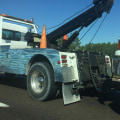
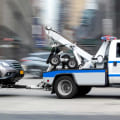
Not every towing situation can be handled with a traditional hook-and-chain or wheel-lift truck. Vehicles that are heavily damaged, stuck in mud, positioned on steep slopes, or located in confined areas may require advanced recovery tools. Winches can help pull vehicles from difficult positions, while flatbed trucks allow damaged or low-clearance vehicles to be transported without placing additional stress on their wheels or drivetrain. Heavy-duty towing equipment may be needed for buses, commercial trucks, construction vehicles, and trailers. Businesses such as Smith's Buildings & Trailers may also depend on reliable transport solutions when larger equipment or trailers need to be moved safely between locations.
Managing Accident Recovery
Accident scenes can present some of the most challenging situations for towing operators. Damaged vehicles may be positioned at unusual angles, surrounded by debris, or blocking important traffic lanes. Towing professionals often coordinate with law enforcement, emergency responders, and roadside crews to determine the safest way to remove vehicles from the area. Recovery may involve stabilizing the vehicle before lifting it, clearing debris, and carefully positioning towing equipment so traffic can continue moving whenever possible. Operators must also take precautions to avoid causing further damage to vehicles that may already have compromised frames, suspension systems, or body panels.
Handling Off-Road and Difficult Terrain
Vehicles do not always break down on paved roads. Drivers may become stuck in sand, mud, ditches, fields, construction areas, or steep terrain where standard towing methods are difficult to use. In these situations, towing companies may use extended winch cables, recovery straps, specialized tires, or multiple recovery vehicles. Operators must evaluate the strength of available anchor points and the direction in which the vehicle can be safely pulled. Moving too quickly or applying force at the wrong angle can worsen the situation, which is why controlled recovery techniques are important.
Transporting Oversized and Heavy Vehicles
Commercial vehicles create additional challenges because of their weight and dimensions. Tractor-trailers, buses, equipment carriers, and other large vehicles may require heavy-duty wreckers capable of supporting significant loads. Operators must consider weight distribution, clearance requirements, towing connections, and local transportation regulations. In some circumstances, cargo may also need to be secured or transferred before the vehicle can be moved. Careful planning helps ensure that both the vehicle and surrounding roadway remain protected during transport.
Prioritizing Safety Throughout the Recovery
Safety remains the central concern during any difficult towing or recovery operation. Operators often work close to moving traffic, unstable vehicles, damaged components, and unpredictable roadside conditions. Warning lights, traffic control measures, protective equipment, and proper communication are essential. Experienced towing teams approach each situation differently based on the circumstances rather than relying on a single recovery method. Through preparation, specialized equipment, and careful execution, towing companies can successfully manage challenging transport situations while reducing risks to vehicles, property, motorists, and recovery personnel.